MIRELICE COLLECTION
Top-handle bags
Explore Top-handle bags — Handbags. See individual product details, prices and delivery availability.Home / Handbags / Top-handle bags
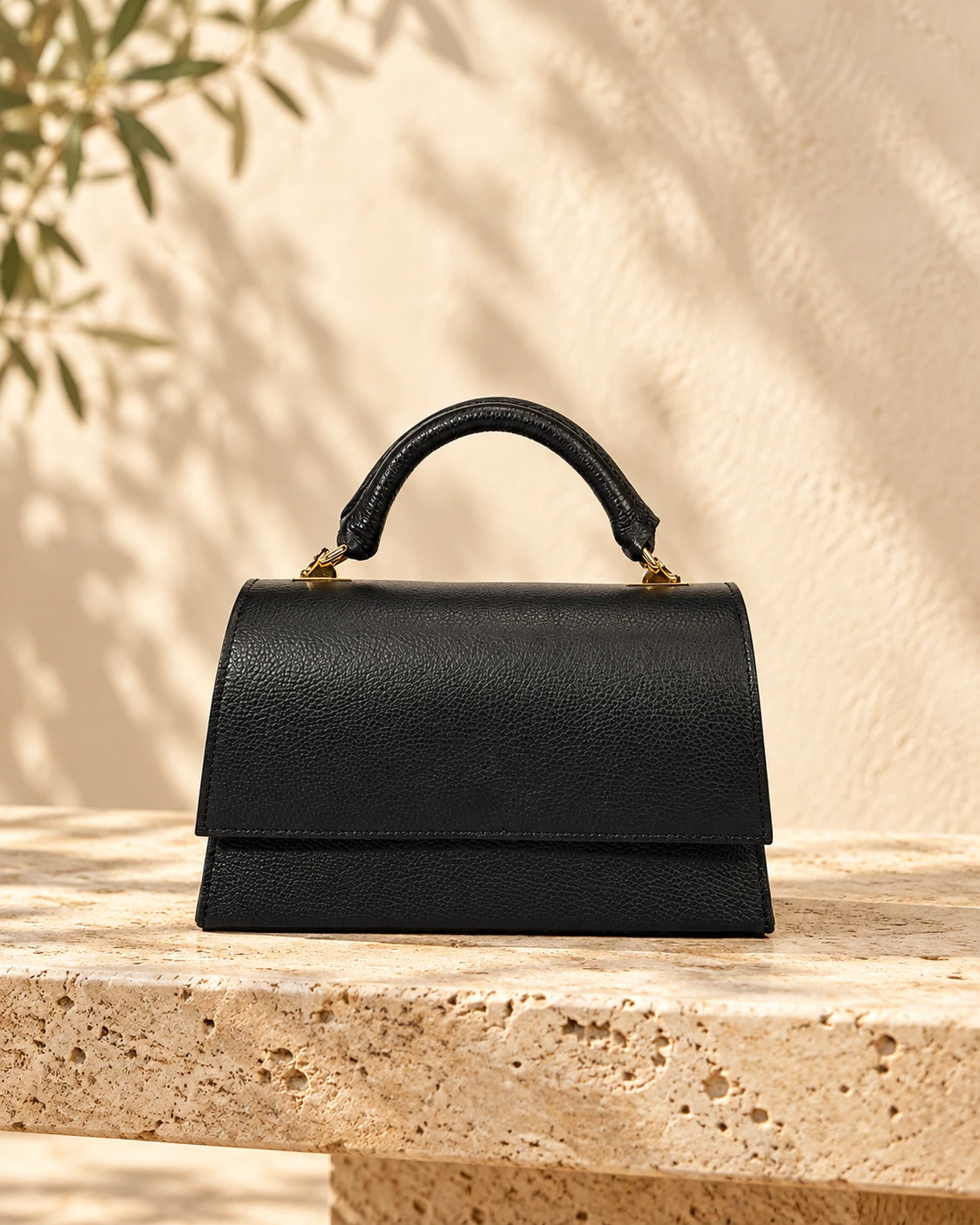
Top-handle bags
Astrid Black Structured Handle Bag
EUR 119.00 · Unit to confirm
Check delivery availability
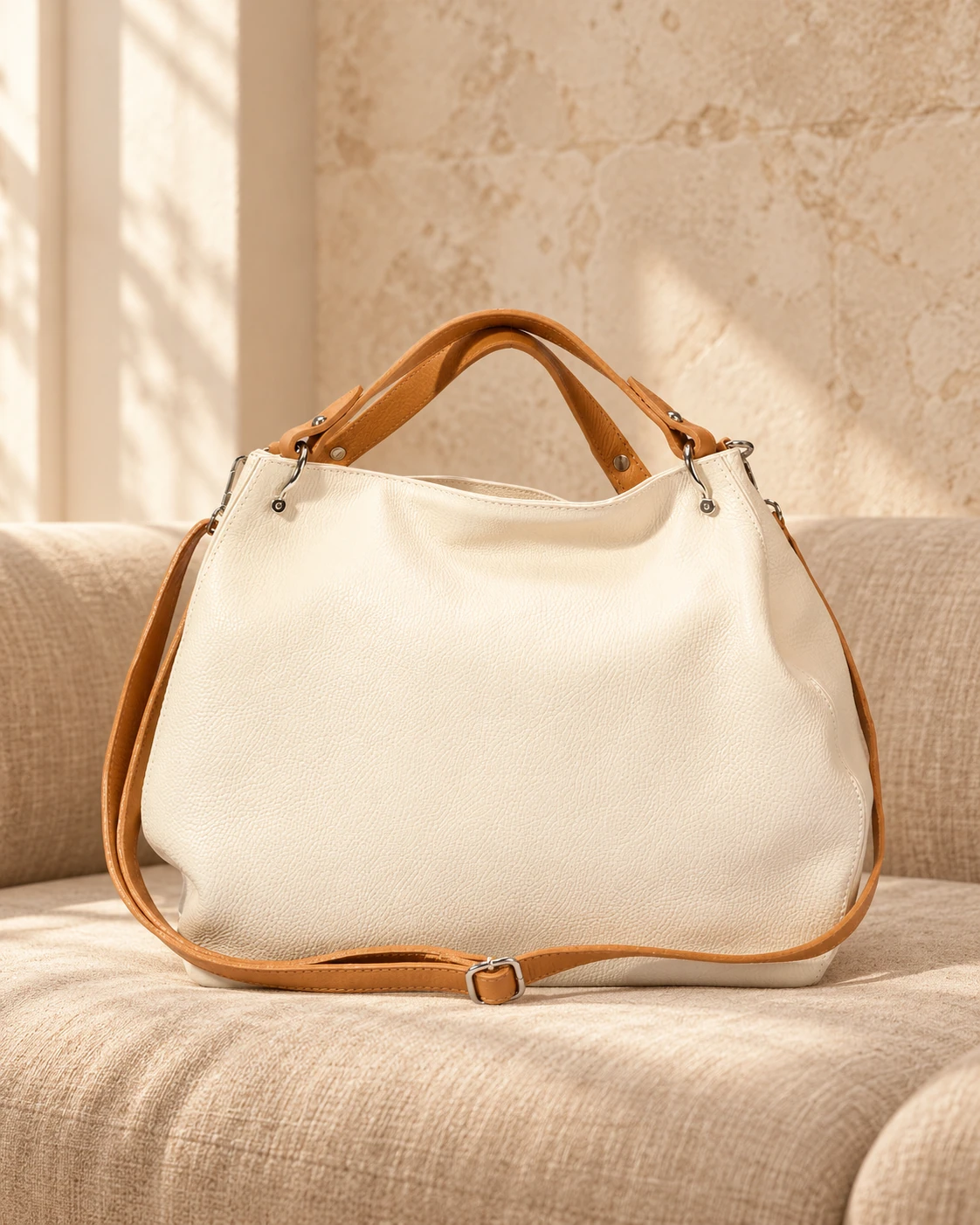
Top-handle bags
Azalea Cream and Tan Two-Tone Bag
EUR 119.00 · Unit to confirm
Check delivery availability
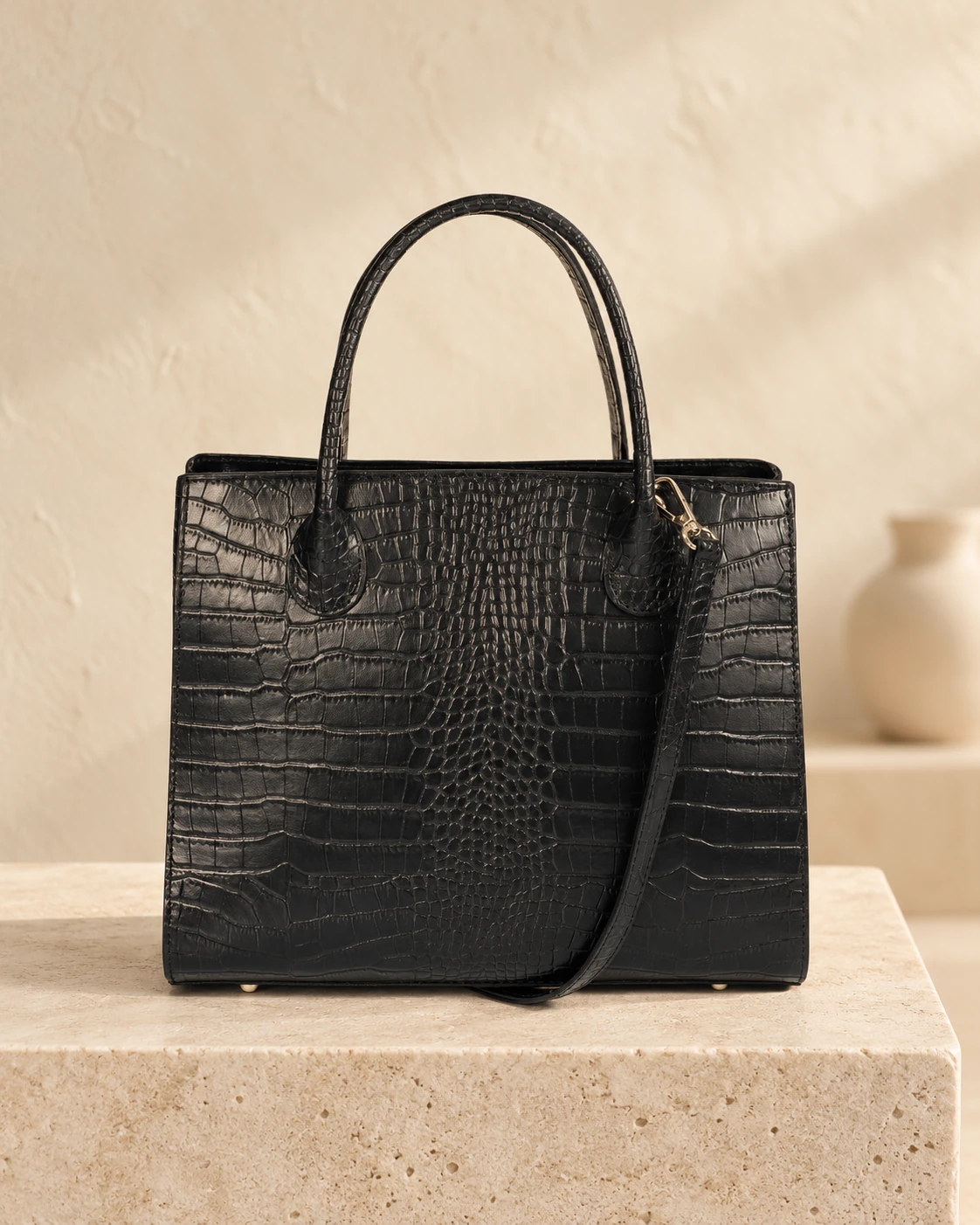
Top-handle bags
Cassandra Black Croc-Effect Handle Bag
EUR 119.00 · Unit to confirm
Check delivery availability
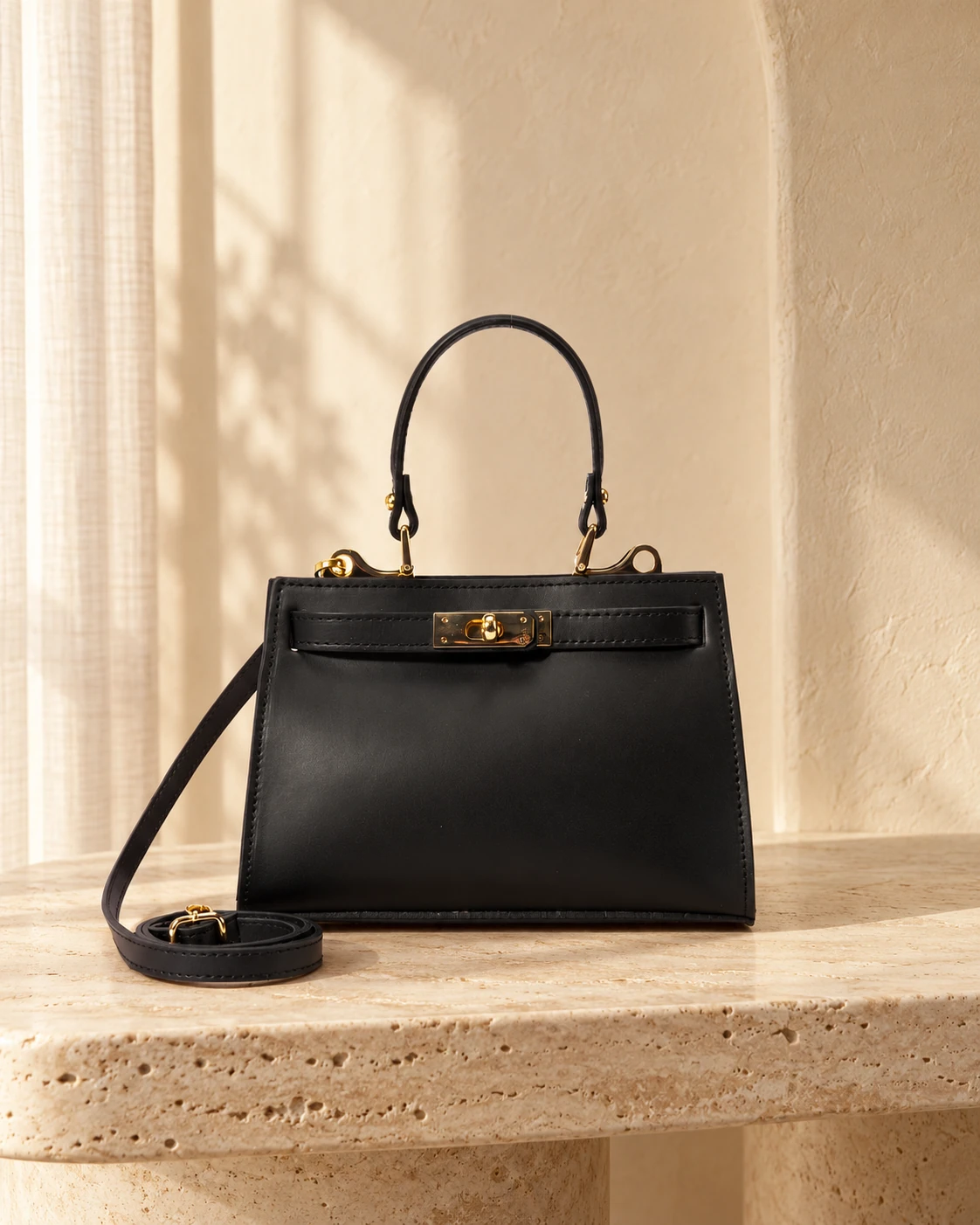
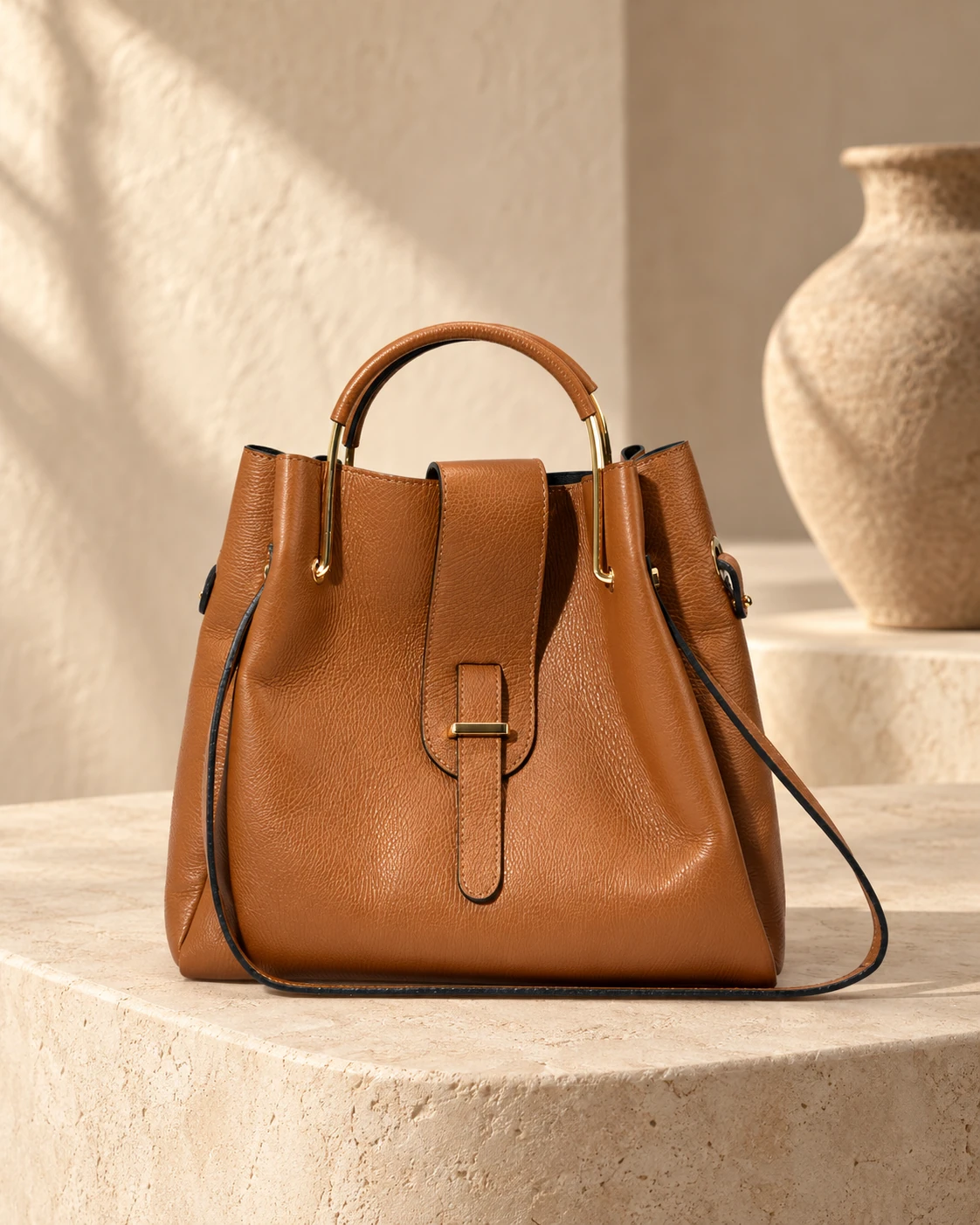
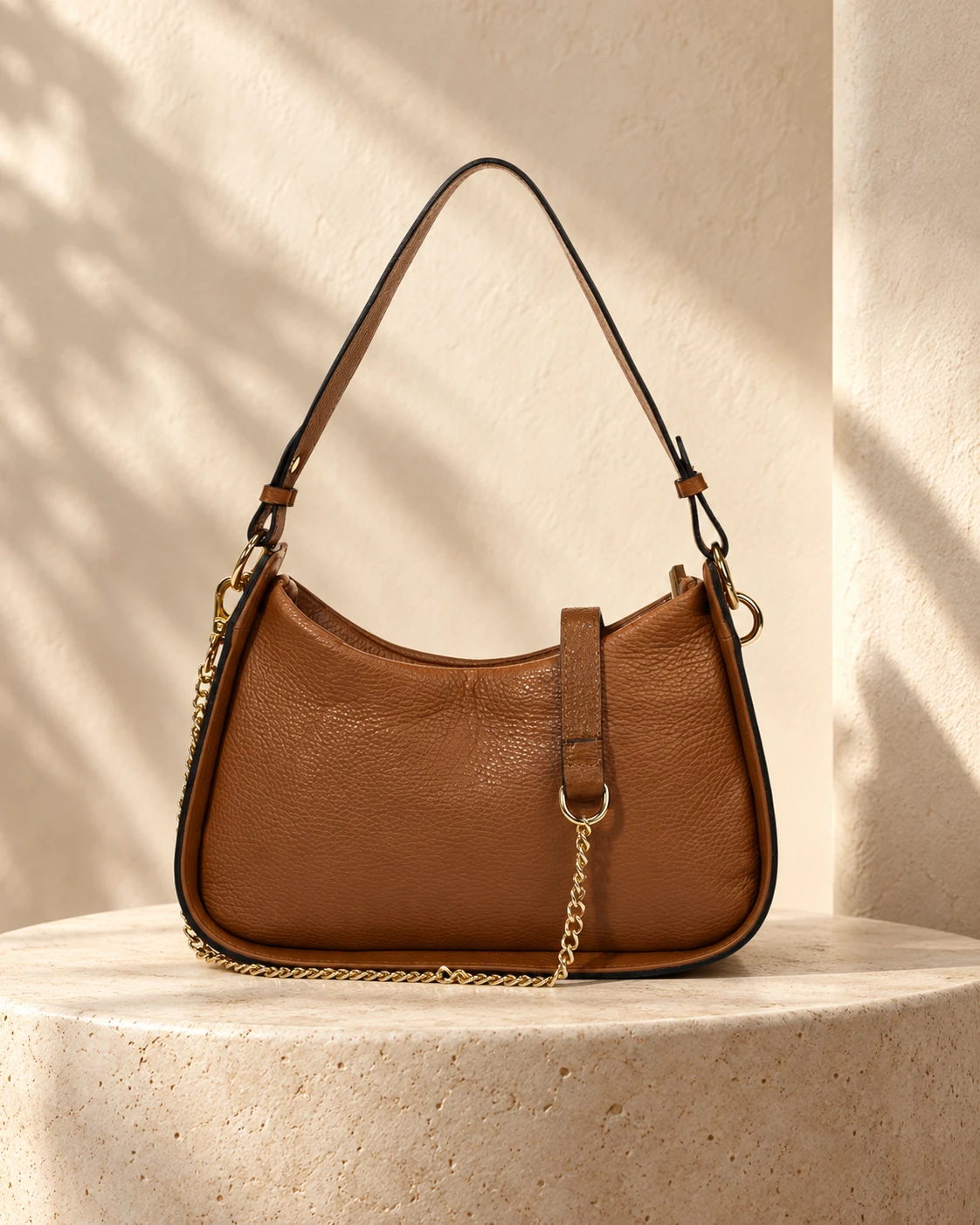
Top-handle bags
Echo Cognac Curved Shoulder Bag
EUR 119.00 · Unit to confirm
Check delivery availability
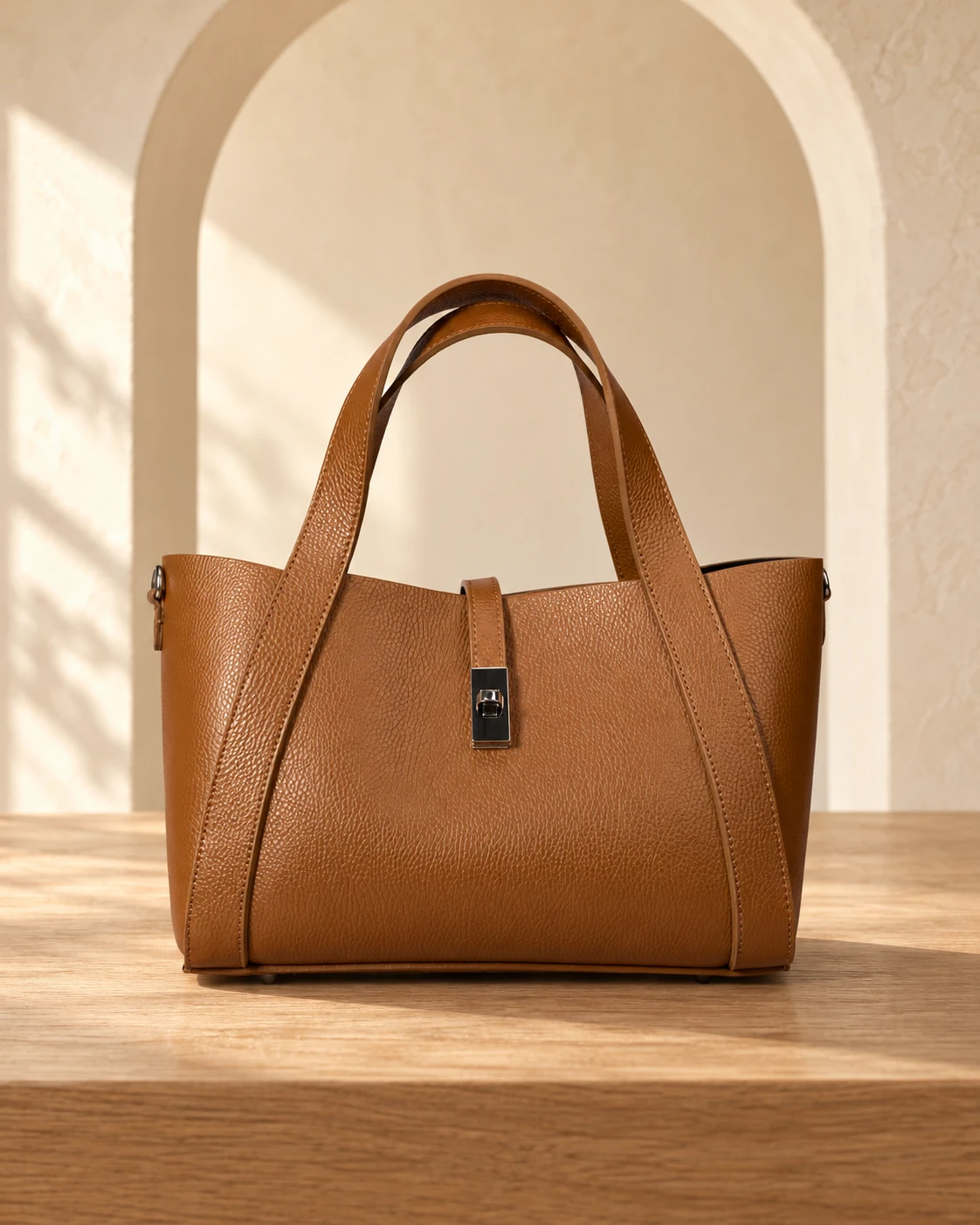
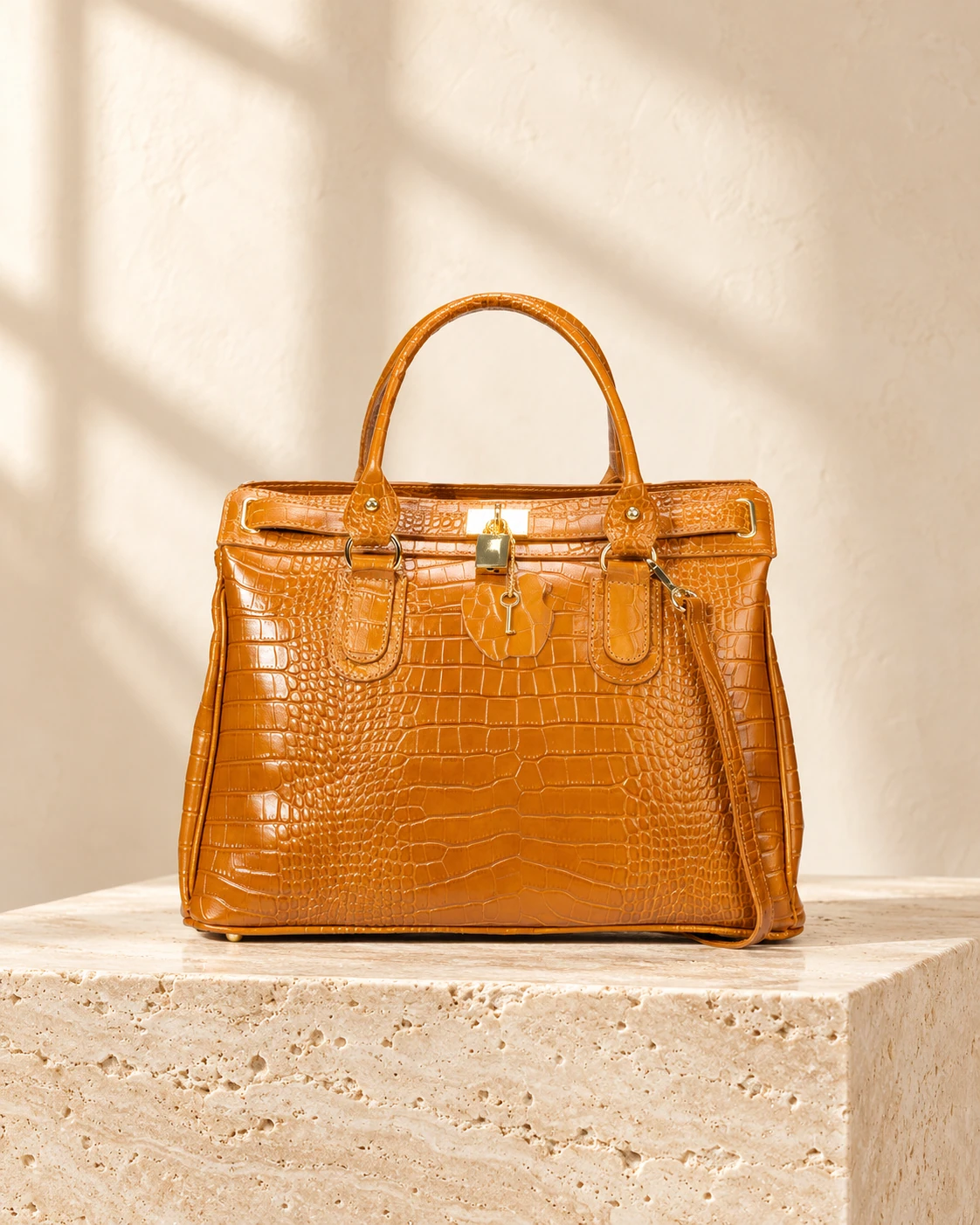
Top-handle bags
Ingrid Croc-Embossed Calfskin Bag
EUR 119.00 · Unit to confirm
Check delivery availability
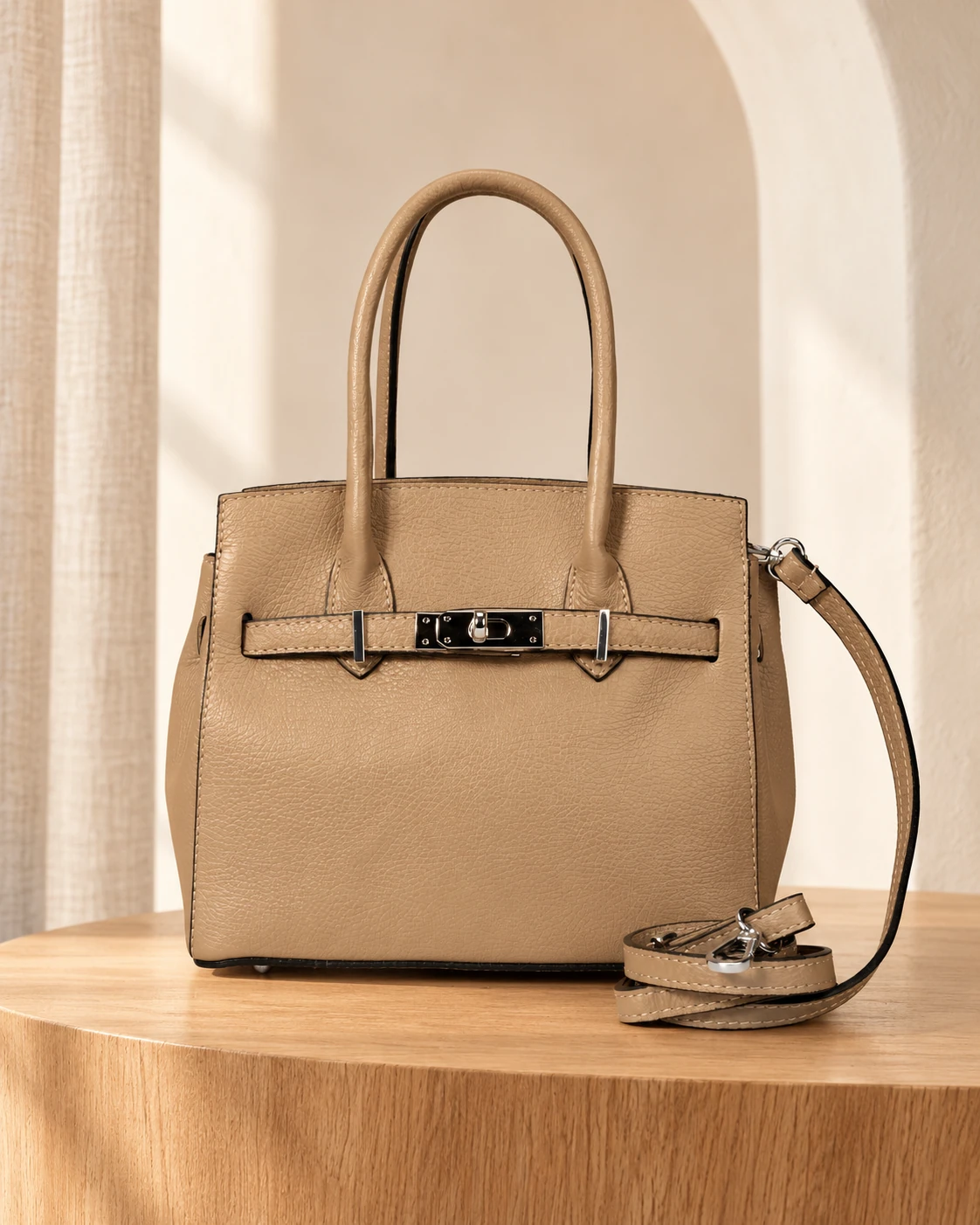
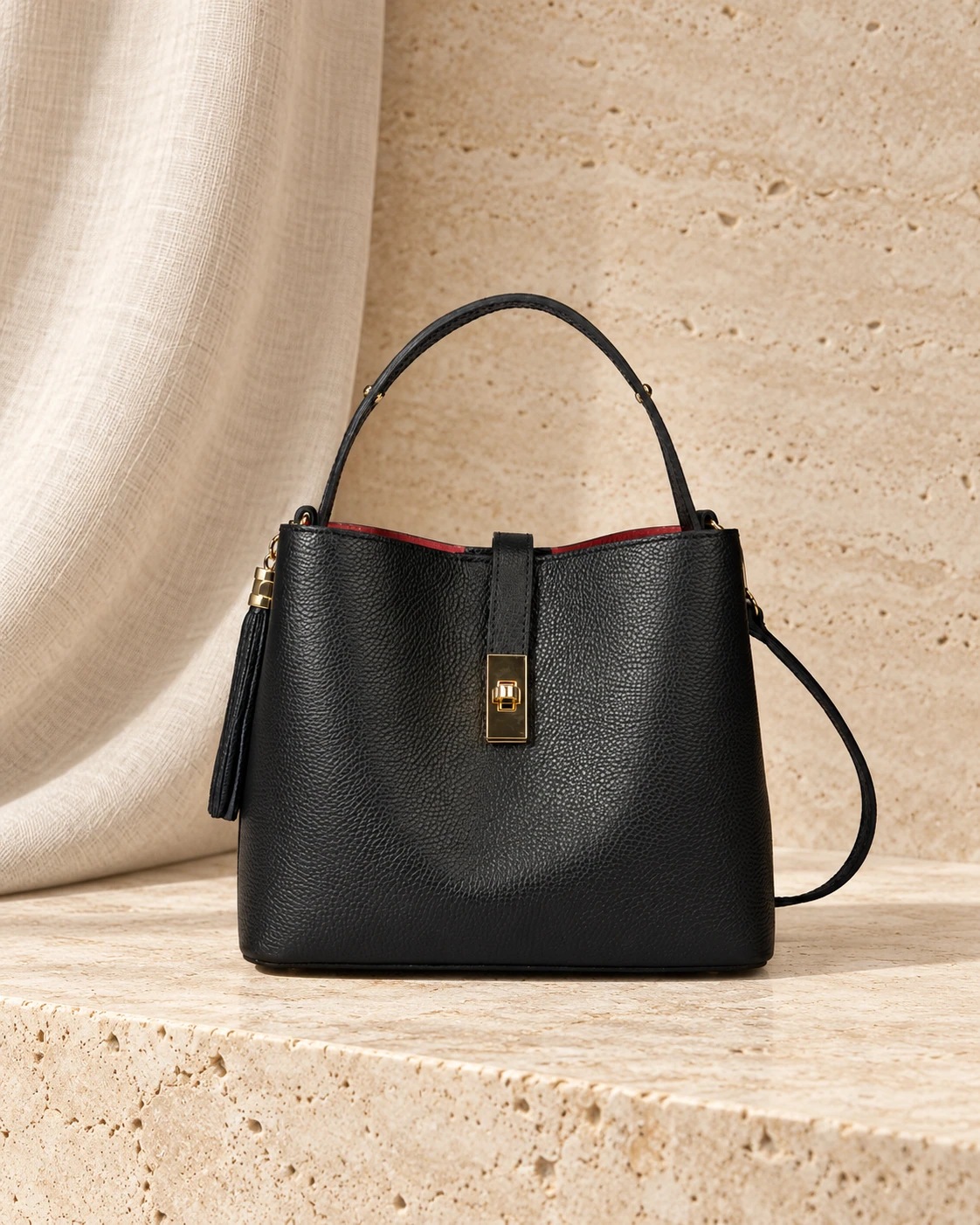
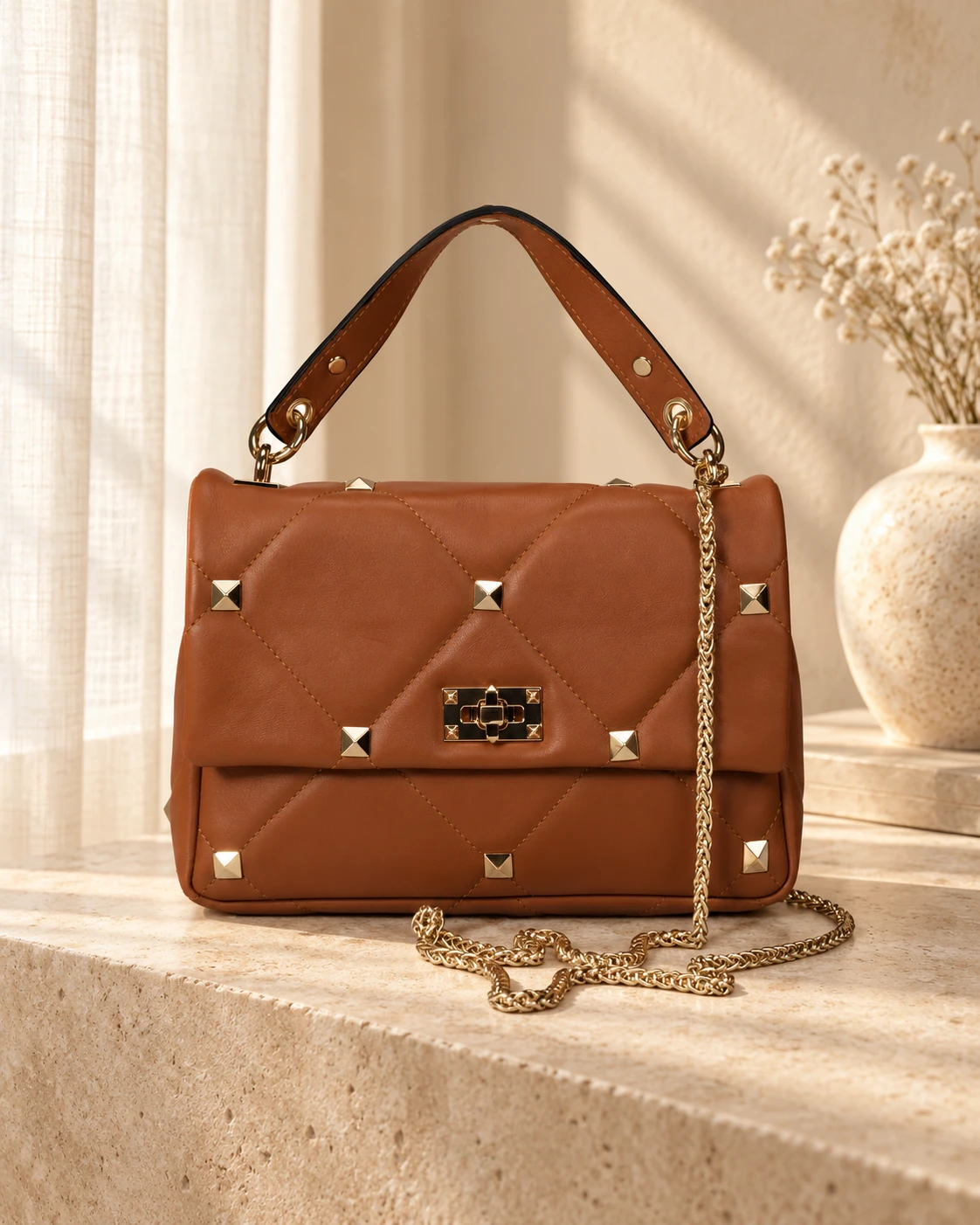
Top-handle bags
Kylie Tan Quilted Stud-Detail Bag
EUR 119.00 · Unit to confirm
Check delivery availability
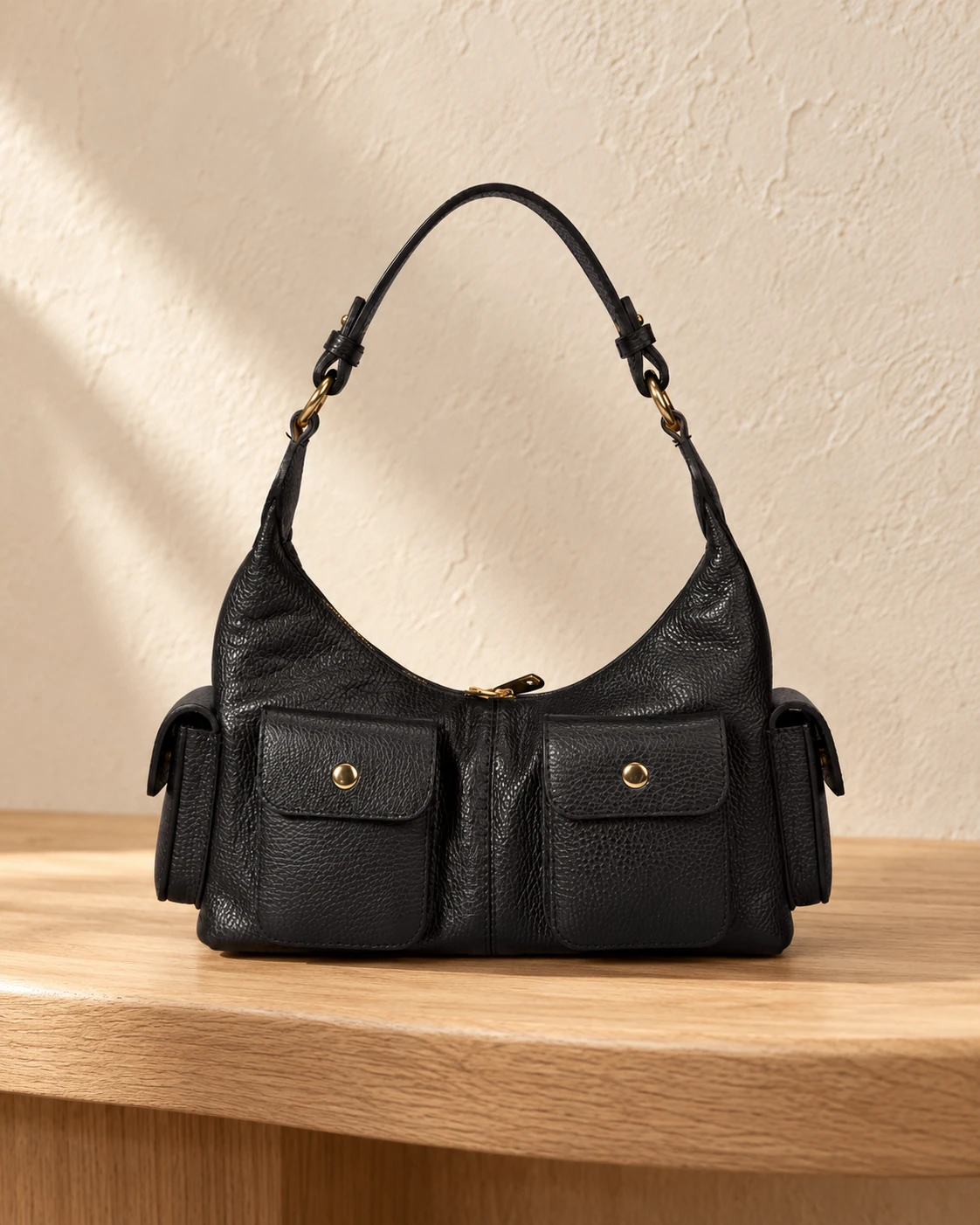
Top-handle bags
Louise Black Pocket-Detail Bag
EUR 119.00 · Unit to confirm
Check delivery availability
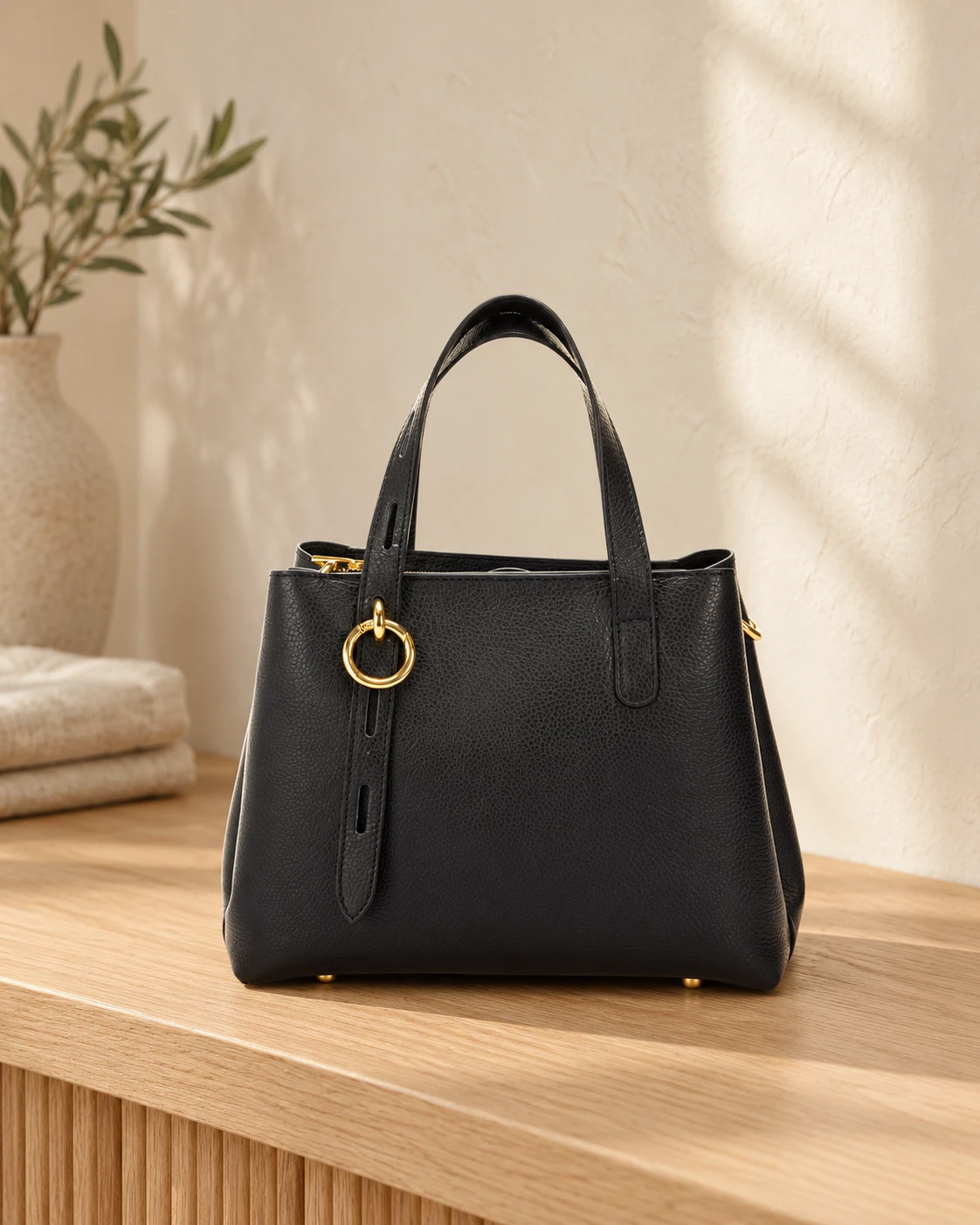
Top-handle bags
Maren Black Ring-Detail Handbag
EUR 119.00 · Unit to confirm
Check delivery availability
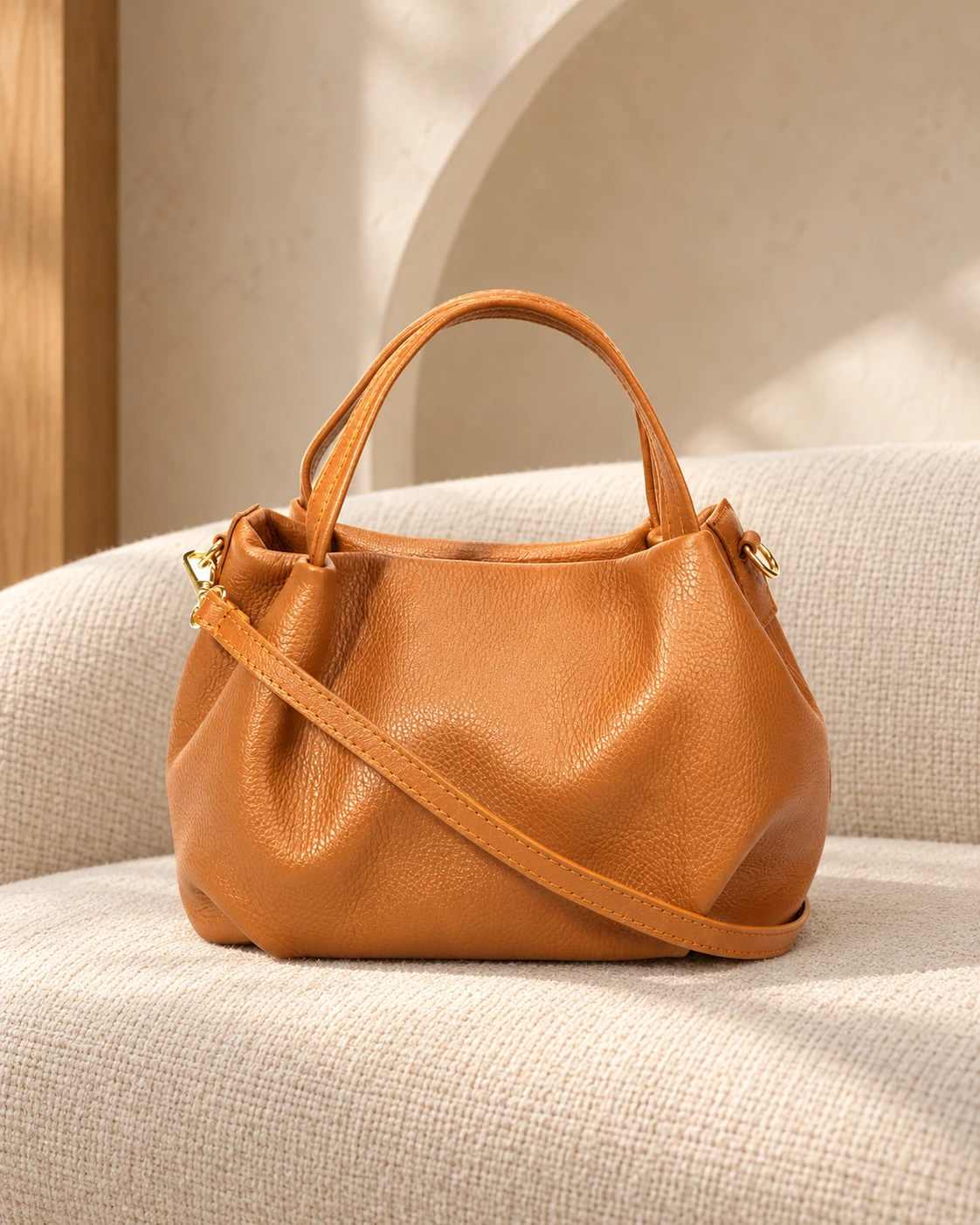
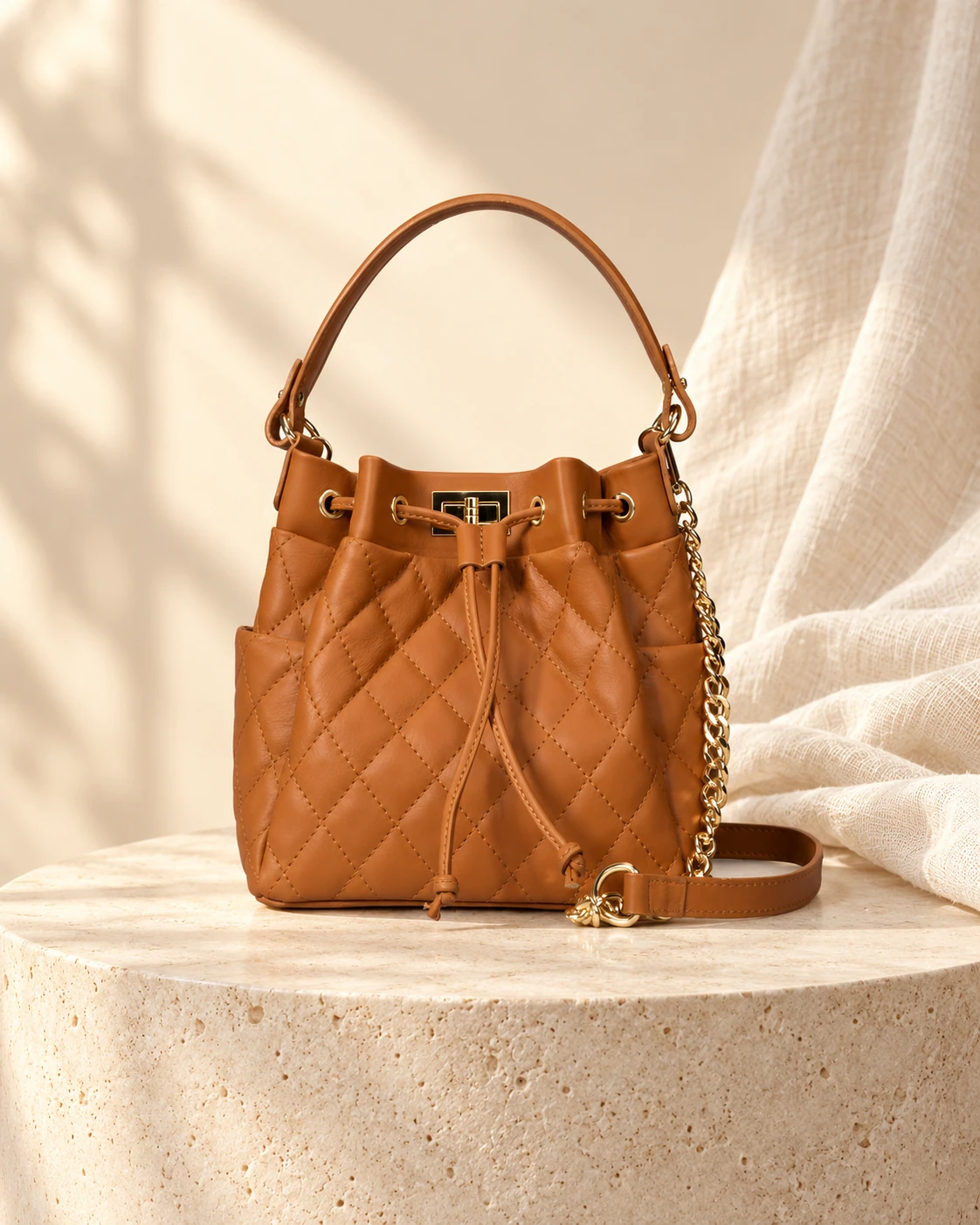
Top-handle bags
Tilly Small Tan Quilted Bucket Bag
EUR 125.66 · per item · Preliminary price
Check delivery availability
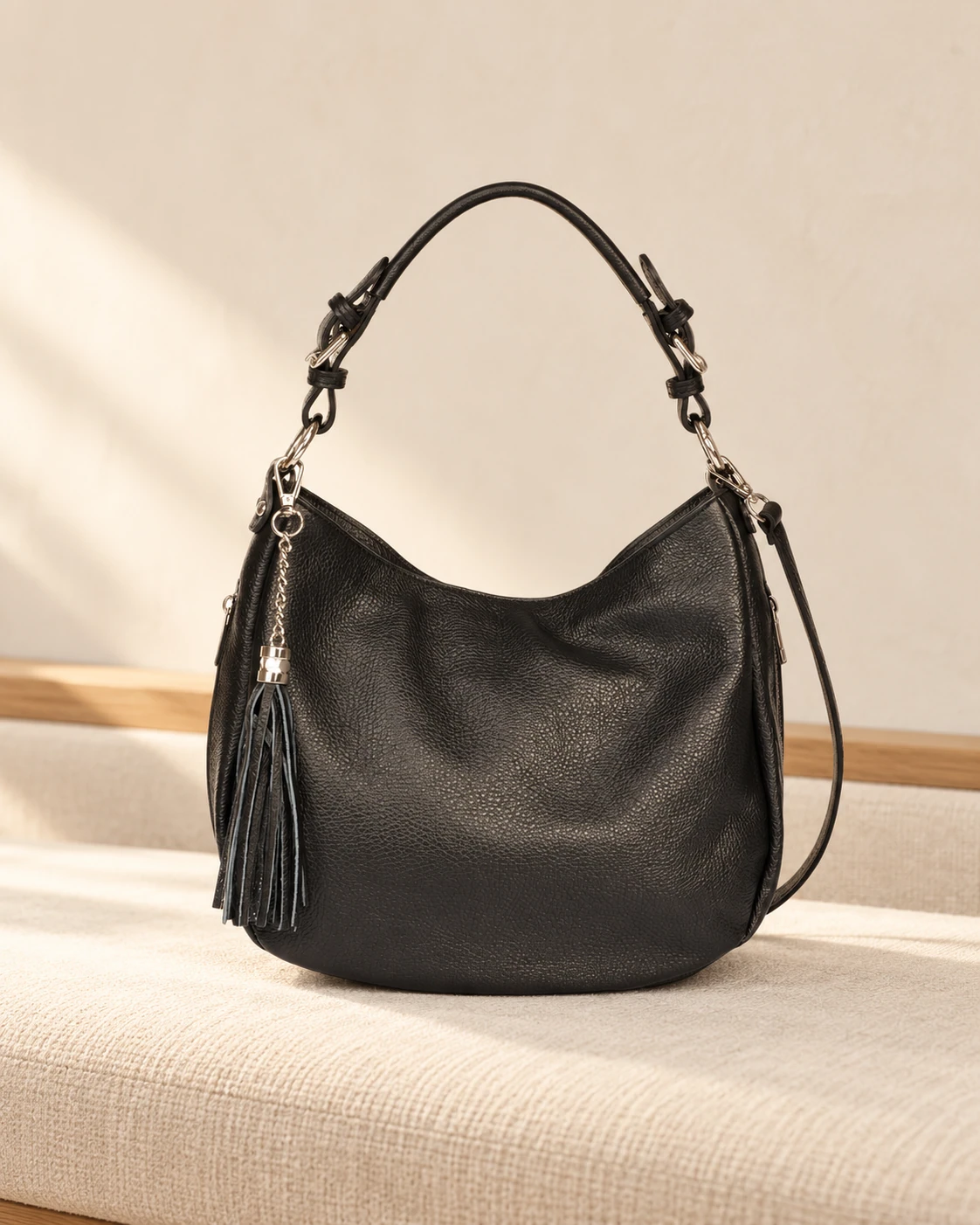
Choose a top-handle bag around the way you carry
A top handle changes both a bag's outline and the way you use it. Compare the handle, body and opening together before choosing a favourite.
Close the guide
Top-handle bags have a particular presence: the handle becomes part of the silhouette instead of disappearing into a long strap. It may form a clear arch above a structured body, frame the bag with two shaped openings or soften the outline through gathered leather. That visible architecture can make even a simple outfit feel deliberate. The useful question is how the shape will work when the bag is in your hand, beside your coat or opened on a table.
The MIRELICE edit includes compact, defined forms as well as softer, wider designs. A shared category does not make their capacity, carrying options or fastening identical. Treat the individual product description as the reference for each model, then use the comparisons below to decide which details matter most to your routine. Start with your usual contents and preferred way of carrying, rather than with a general idea of how formal a handbag ought to be.
Read the handle as part of the whole design
A handle can be a sculptural feature, a quiet functional line or the strongest decorative element on the bag. ANTHEA's rectangular cut-out handles create a different impression from the arched handle on ASTRID. Neither approach is automatically more practical: the distinction is in the shape you hold, the visual space above the body and the relationship between the handle and the opening. Look at those elements together, including where your fingers would sit.
Consider what you wear beside the handle. A long sleeve, cuff or bracelet may occupy the same area when you carry the bag by hand. A shape that looks balanced in isolation can feel different against a substantial winter cuff. Comparing it with a handle you already enjoy gives you a concrete reference without relying on a model photograph to represent every hand size or clothing combination.
One handle and two handles invite different gestures
With twin handles, you usually bring both together when lifting the bag. With a single arched handle, the hand finds one defined point. The distinction can affect how you move the handles aside to reach the opening. Check the exact construction shown for the model; a category name does not establish that a handle folds down, pivots or is detachable.
Choose proportions before choosing an occasion
Width, height and depth describe different parts of a bag's role. A shallow horizontal body can sit discreetly beside a tailored outfit, while a taller or deeper body makes a different visual statement even in the same colour. DALIA is listed at 22 × 6 × 16 cm; DIONE at 33 × 14 × 29 cm. Those declared exterior measurements suggest substantially different proportions, so they are more useful starting points than describing both simply as handbags.
Make a small comparison with an object you know. Lay out the stated width beside your current bag, then consider how the height relates to the length of your jacket. This is a way to understand scale, not a promise of internal capacity. Curved panels, a flap and the shape of the opening can all reduce the usable space for a rigid object, even when the exterior looks generous.
Plan the contents you actually want to carry
Build a realistic list before deciding on a compact or roomy form. A phone, short wallet, glasses case and keys can occupy more space together than each suggests alone. If a longer wallet is essential, its length and the opening of the bag deserve particular attention. A flat object may sit across the base of one design but be awkward beneath the curve of another.
Group objects by how often you reach for them. The item you use at every stop should not require moving everything else each time. This does not mean assuming that the bag has a particular pocket: identify the confirmed internal layout in the product details, or plan your own small pouch. Choosing fewer, better-organized contents can preserve the intended outline without making an unsupported claim that a bag is designed for a particular device.
A useful packing rehearsal
Place your usual essentials together on a surface and compare their combined footprint with confirmed product measurements. Include cases, covers and bulky key attachments. If something must remain upright, allow for that orientation rather than assuming it can be rotated. When fit is essential, confirm the opening and internal dimensions as well as the exterior size before choosing.
Compare structure with softness
A structured bag defines a clear boundary around the contents. That can make its outline visually precise, but it does not mean the interior should be overfilled. A softer bag may show more folds and movement as the arrangement inside changes. Both can suit everyday use; they simply create different relationships between the bag and the clothes beside it.
Look at the front panel, the base and the point where the sides meet. MAREN's tapered shape and small ring detail provide a different starting point from MAYA's rounded, gathered outline. Rather than ranking one as universally smarter, decide whether you want a defined geometric line or a softer interruption against the rest of your outfit. Keep that choice separate from unverified assumptions about durability or how a bag will stand when empty.
Distinguish a leather material from its finish
Smooth calfskin, grained calfskin and croc-embossed calfskin describe different appearances within the selection. ANTHEA is supplier-described as smooth calfskin, while CASSANDRA carries a croc-embossed calfskin description. An embossed pattern refers to the surface treatment; it should not be read as a statement that the bag is made from crocodile skin. Likewise, visible grain alone does not establish a particular tanning method or care product.
Use the material filter to narrow the broad material family, then read the individual specification for the finish. Photographs can help you compare sheen, pattern scale and contrast with clothing. They cannot independently certify leather grade, calibrated colour or resistance to wear. A practical choice is one whose actual surface you enjoy looking at and whose stated care requirements fit the attention you are willing to give it.
Treat hardware as a visual and practical detail
A small clasp can provide a quiet focal point, while a chain, repeated studs or a larger ring contributes more movement and reflection. KYLIE's quilted and studded appearance makes a different composition from a broad plain leather front. Consider whether you want the bag to carry most of the ornament in an outfit or to leave that role to jewellery and other accessories.
Also consider where fittings are placed. A hanging detail near the front is different from a connector that sits beside your hand. The visual finish is not a statement of precious-metal content, and decorative hardware should not be treated as a verified material feature of the body. Preserve that distinction when comparing a bag with a necklace, watch or belt buckle; coordinating the general tone is usually more useful than expecting an exact metal match.
Understand the opening and the layers of closure
The main opening affects the small actions you repeat throughout a day. A flap, magnet, zip or drawstring can each suit a different preference, but you need the exact product description to know what a model includes. Do not infer a closure merely because a seam or metal fitting appears at the front. Look for the function described as well as the visible decoration.
Where an outer closure and an inner bag are both specified, treat them as separate parts. ANTHEA's description distinguishes its magnetic outer fastening from the zip on its removable inner bag. That arrangement should not be generalized to every top-handle model. Think through how you would open, retrieve an object and close the bag again while seated, standing or holding another item.
Check an optional shoulder strap separately
Some top-handle designs also offer a detachable shoulder strap. It can change how you use the same bag between a short hand-carried moment and a longer stretch of walking. Its availability, adjustment and attachment points belong to the individual model, however. A photograph showing one carrying arrangement does not establish every other arrangement you might imagine.
If a strap is specified, consider its stated length and how it relates to your preferred position on the body. Strap length and strap drop are different measurements, and an adjustable strap does not place the bag at the same height on every person. If you intend to remove it, think about where you would keep it so that the strap and fittings are not pressed tightly against a visible leather panel.
Put listed weight into a realistic comparison
A bag's empty weight is one part of what you carry, alongside its contents. DALIA's listed 400 g and INGRID's listed 1000 g describe different starting points, but the models also differ in size and construction. Do not treat a single weight as a complete quality ranking or assume that the lighter model can hold everything the larger one could accommodate. Compare models that can first meet the same practical need.
Add a realistic idea of the objects you normally bring. A heavier wallet, a full bottle or a bulky case can matter more than a small difference between two empty bags. If carrying comfort is a priority, consider the complete combination and how long you expect to hold it. Listed figures are supplier specifications, rather than an independent measurement of every individual item.
Think through the moments between destinations
Picture the transitions in a normal outing: taking keys out at the door, finding a ticket, putting the bag beside a chair and picking it up again with a coat. A top-handle design makes some of those gestures particularly visible. Decide whether you enjoy having the bag in your hand for most of that sequence or whether a confirmed additional strap would be valuable.
For a day involving an umbrella, shopping or several objects to carry at once, it may be worth comparing a top-handle model with a different carrying format. That does not make one category better for everyone. It helps you choose with a specific routine in mind, so the attractive handle you first noticed remains a feature you like using rather than a detail you continually work around.
Use colour to set the relationship with your wardrobe
Black can create a clear shape against pale clothing, while a tan or cognac tone can introduce warmth beside grey, navy or cream. A taupe bag may connect several quieter colours without matching any one of them exactly. Start with the clothes you repeatedly wear, not a theoretical outfit that would require replacing everything around the bag.
You can make a useful distinction between contrast and repetition. A black bag with an ivory jacket emphasizes the outline. A warm brown bag with camel or oatmeal clothing places more attention on surface and proportion. Both approaches can feel considered. When comparing colour photographs, remember that lighting and screens affect appearance; use the named selected option and the actual available images together.
Move from daytime to evening through editing
An evening arrangement does not necessarily require the smallest bag in the edit. It may mean carrying fewer objects, simplifying the rest of the outfit and allowing one feature to become more visible. A compact smooth form and a more decorative quilted form will suggest different directions. Choose the one that suits the kind of occasion and the belongings you genuinely need to keep with you.
For daytime, a top-handle silhouette can sit beside a relaxed shirt, denim or a long coat without needing a formal dress code. Consider the complete balance: a wide bag can offset a narrow trouser line, while a more compact body may leave a longer coat uninterrupted. These are styling options, not rules based on height or body type; the most useful result is a combination you enjoy using.
Give handles and fastening points thoughtful care
The handle is a frequently touched part of a hand-carried bag. Follow the item's care instructions, and avoid putting an untested cleaner on the most visible gripping surface. Strong solvents, direct heat and prolonged pressure can be poor choices for an unspecified finish. A clean, soft, dry cloth is a conservative starting point for light surface attention, provided the product guidance does not say otherwise.
When setting the bag down or putting it away, leave the handles in a natural position. Do not flatten a shaped handle beneath a heavy object simply to make storage neater. Keep straps and metal fittings from being pressed firmly into the front panel. The aim is to respect the actual construction, rather than assume that a general leather description guarantees the same treatment for every model.
Make a shortlist with clear reasons
A useful shortlist contains differences you can explain. You might compare ANTHEA for its cut-out handle shape with ASTRID for its arched handle and defined flap, then add a roomier gathered form if your contents require another scale. Write down the reason each remains on the list. If two options serve the same purpose for you, the handle, opening or surface may provide the more meaningful distinction than a small change in colour.
Finish by checking the selected model's dimensions, material, carrying arrangements and closure. Review the current price and destination-specific delivery terms when those are available for your selection. The category guide helps you make a better comparison; the individual product details remain the reference for what the bag actually includes. A considered choice comes from that combination of visual preference and practical information.