MIRELICE COLLECTION
Scarves
Explore shape, dimensions, fabric and simple ways to wear a scarf at the neck, over the shoulders or as a headscarf.Home / Accessories / Scarves
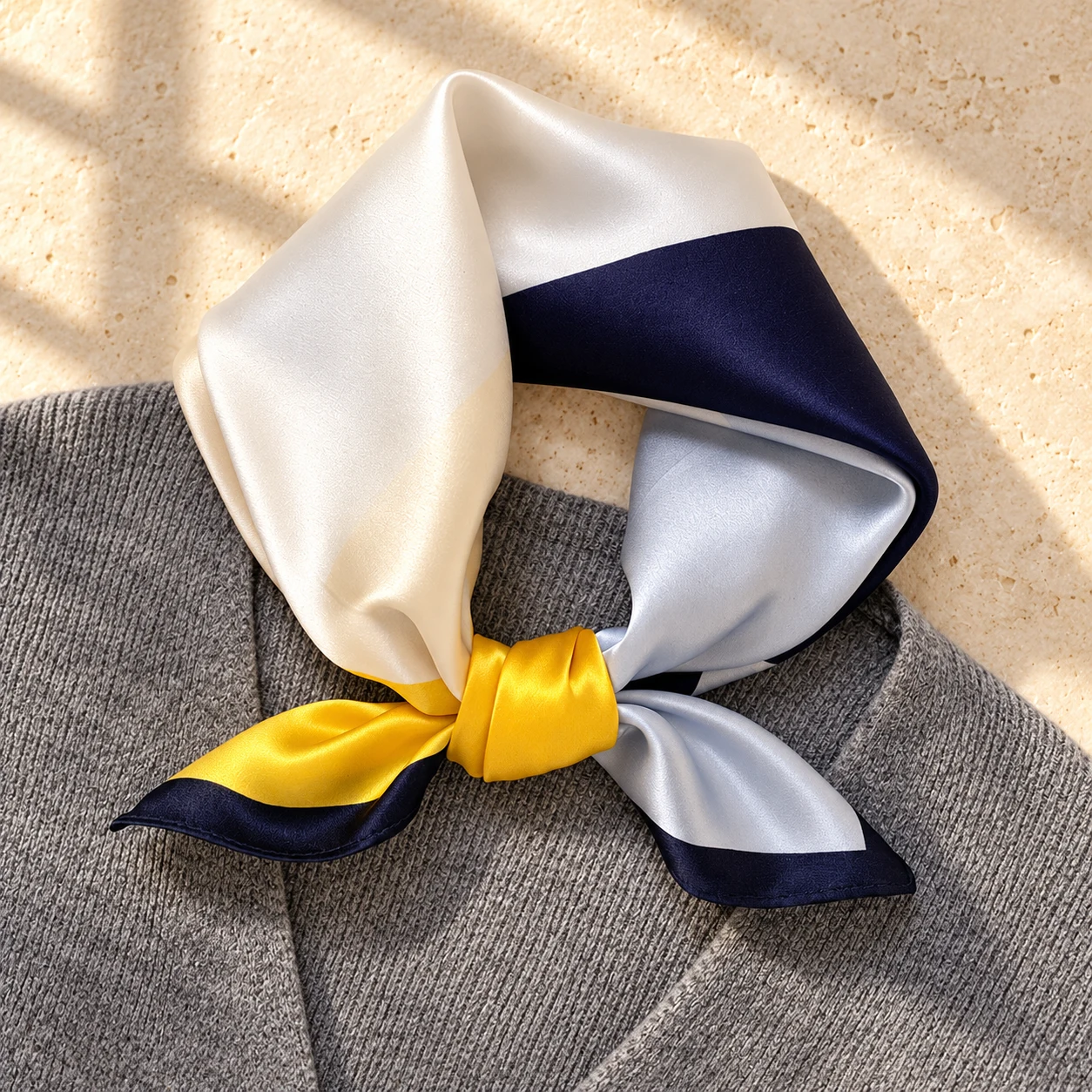
Neck scarves
Colour-Block Mulberry Silk Square
USD 18.69 · per item · Preliminary price
Check delivery availability
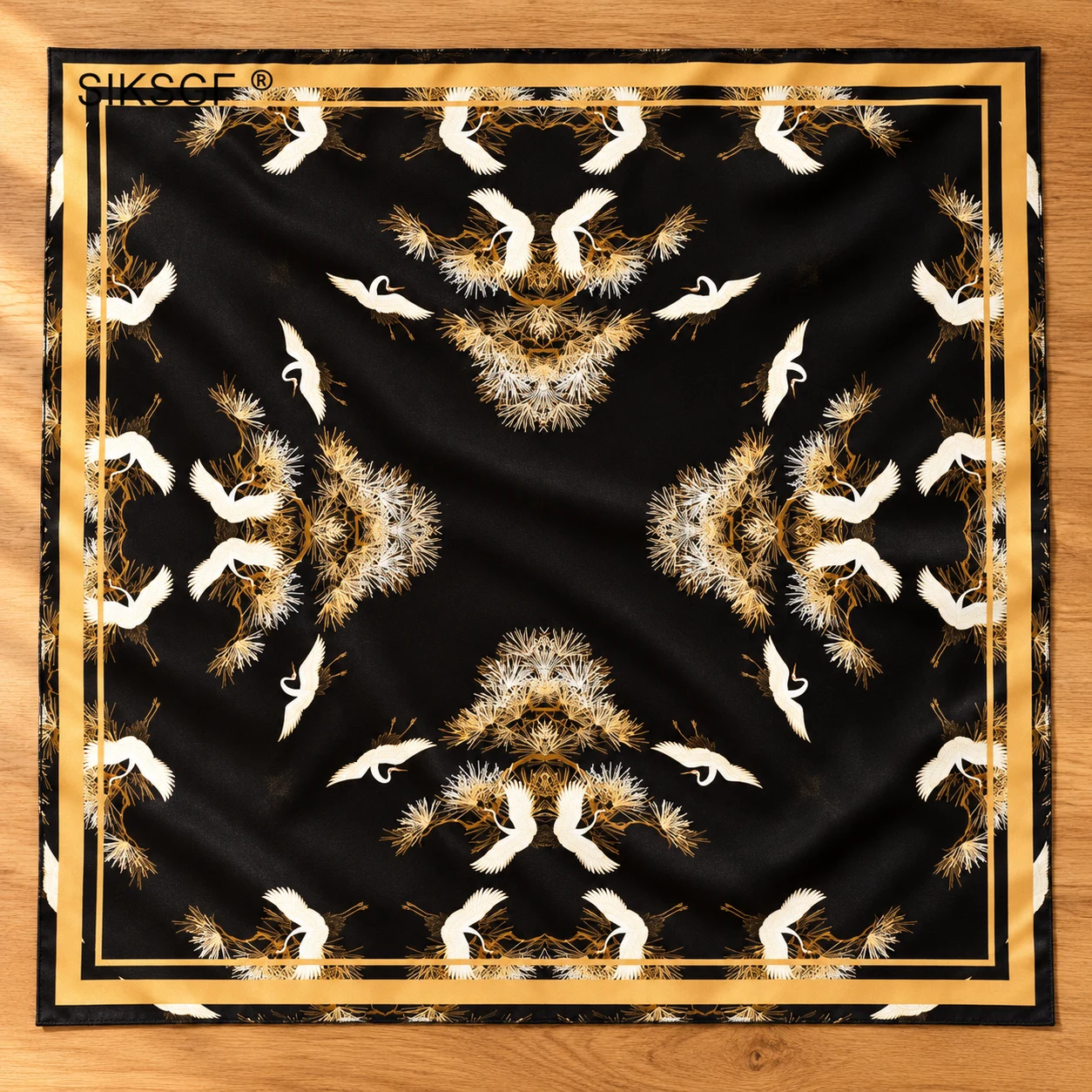
Neck scarves
Crane-Print Silk Scarf
USD 34.34 · per item · Preliminary price
Check delivery availability
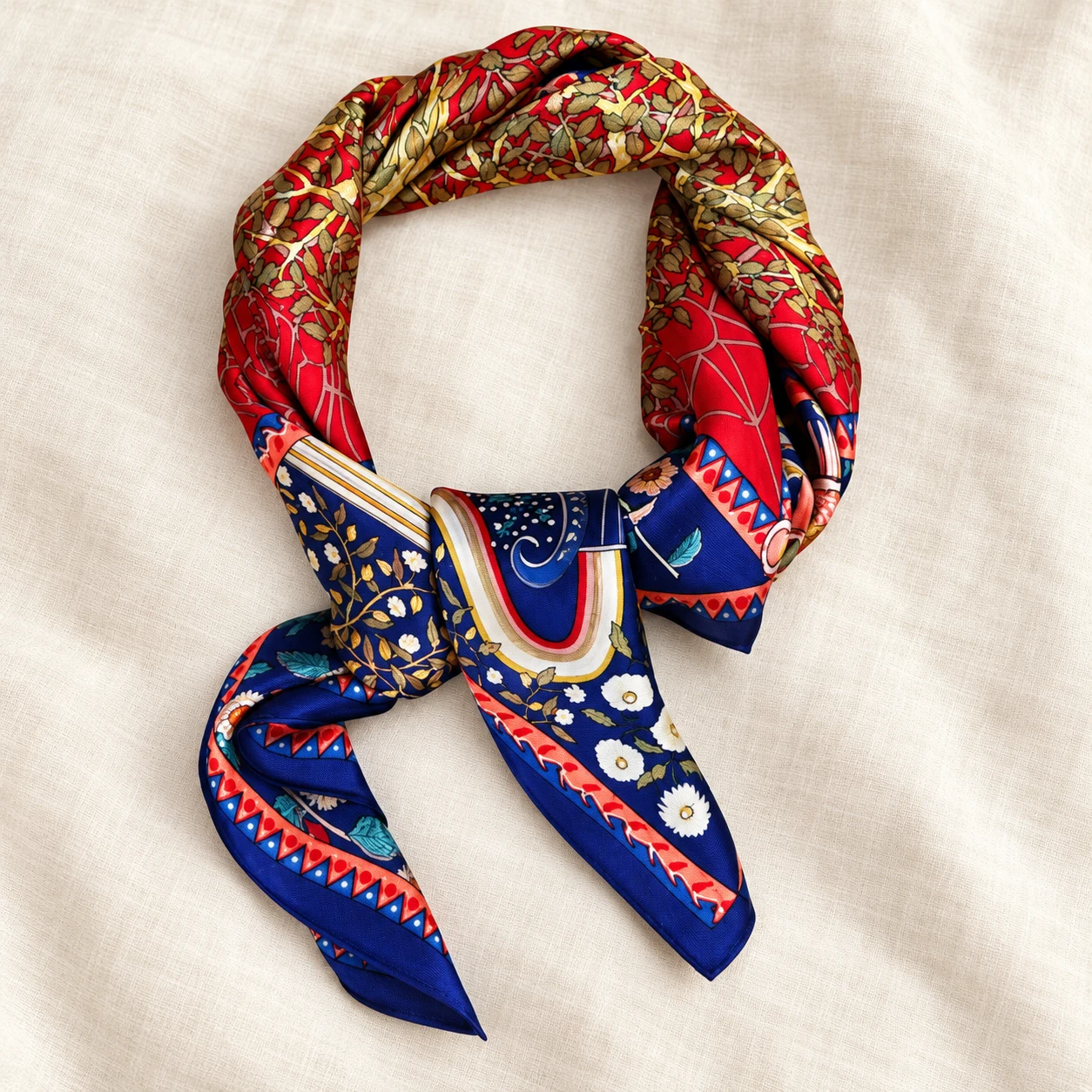
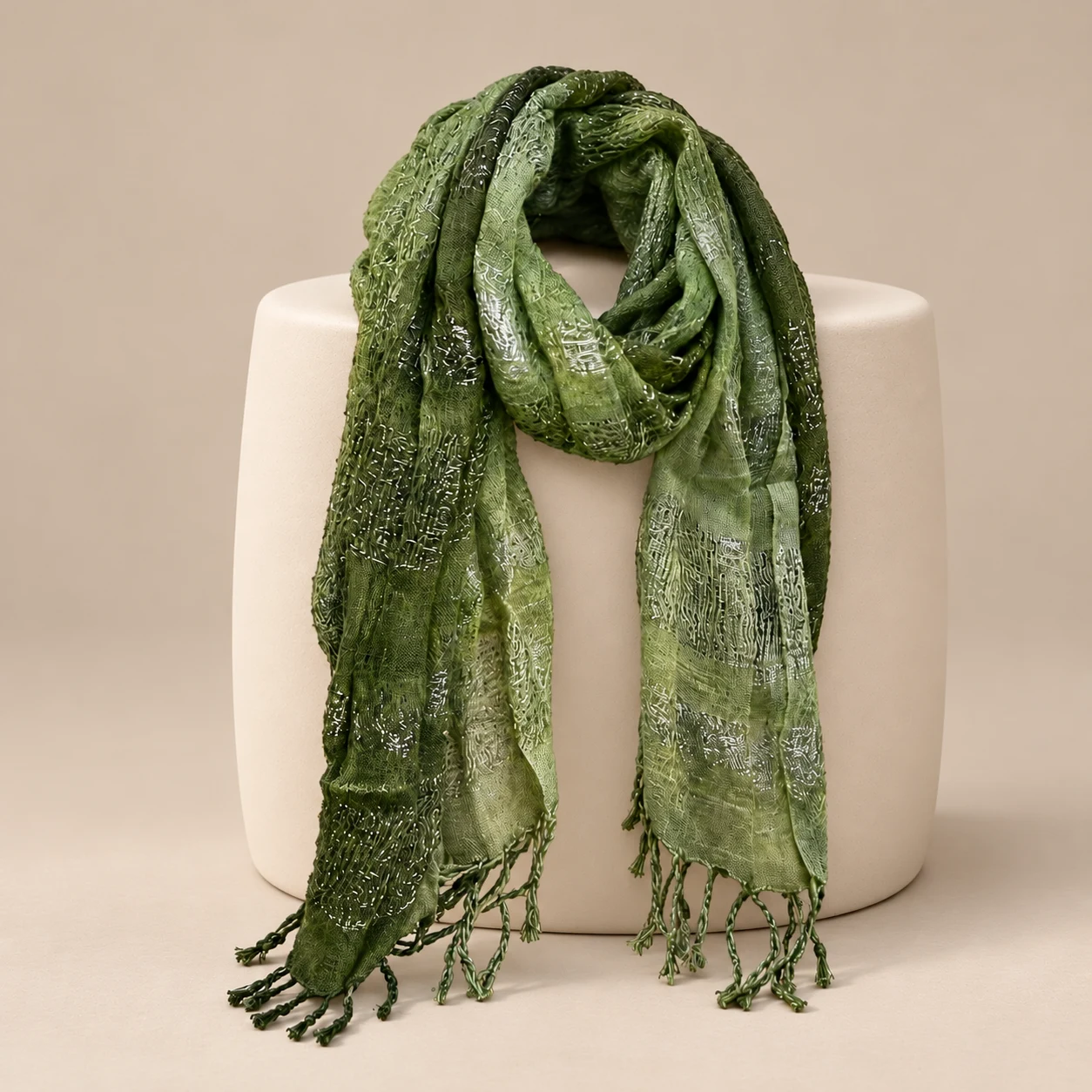
Neck scarves
Metallic-Stripe Scarf
USD 34.00 · per item · Preliminary price
Check delivery availability
Scarves, squares and stoles with a clear place in your outfit
Explore shape, dimensions, fabric and simple ways to wear a scarf at the neck, over the shoulders or as a headscarf.
Close the guide
A scarf can add colour, soften an outline or change how an outfit is arranged. Squares, long scarves, stoles and headscarves belong in the same comparison, with the shape and dimensions explaining how each piece may be worn. Start with the way you would use it, then read the fabric information and care label for the individual item.
Choose the shape around the way you will wear it
A square can be folded diagonally into a triangle or inwards into a narrow band. A longer rectangular shape offers a different amount of fabric for draping, wrapping or placing over the shoulders. The words scarf and stole are useful descriptions, but the stated length and width give the clearest picture of the available fabric.
Consider how much length a fold or knot will use. A small square tied at the neck behaves differently from a broad piece laid over a jacket. Before choosing, try a similar shape you already own and note which dimensions make the arrangement comfortable. Keep the finished size in view rather than estimating it from the model or the styling props in a photograph.
Read the fabric and edge details
Check the stated composition and percentages for the individual piece. Silk, wool, cotton and blended fabrics can differ in feel and handling, while weave and thickness also affect the way a scarf falls. The material name alone does not establish how warm, opaque or suitable for a particular season a finished piece will be.
Look for details about the edges, fringe and any printed or woven pattern. These affect the appearance of a fold and the way the ends sit in an outfit. A close photograph can help you understand the surface, but use the written composition and care instructions when deciding how to handle it. Keep certification or special-performance claims separate unless they are stated for that exact item.
Begin with a simple fold
For a neck accent, fold a square into a band and arrange it loosely before choosing where the knot should sit. A diagonal fold makes a triangular point available, while a rectangular scarf can be draped with the ends at equal or different lengths. Adjust the fabric so that the part of the pattern you enjoy remains visible.
For a headscarf or shoulder arrangement, check that the dimensions give enough coverage for the way you intend to wear it. Keep the fastening comfortable and avoid relying on a tight knot to make an unsuitable size work. If you add a scarf to a bag handle, place it where it will not interfere with the opening or closure, and consider friction against the handle and nearby hardware.
Use colour thoughtfully and follow the care label
Choose one colour from the scarf to repeat elsewhere, or let the pattern sit beside a quieter outfit. Folding can reveal a different balance of colours, so compare the visible section as well as the piece laid flat. You can make the same scarf look more restrained or more graphic by changing the fold and the placement.
Follow the care label for the exact fabric, print and finish. Do not assume that every delicate-looking piece can be washed or treated in the same way. Remove jewellery that could catch while arranging the scarf, and keep it away from rough fastenings. Store it clean and dry with a gentle fold or an appropriate hanger, allowing the edges and any fringe to lie without unnecessary tension.