Belts
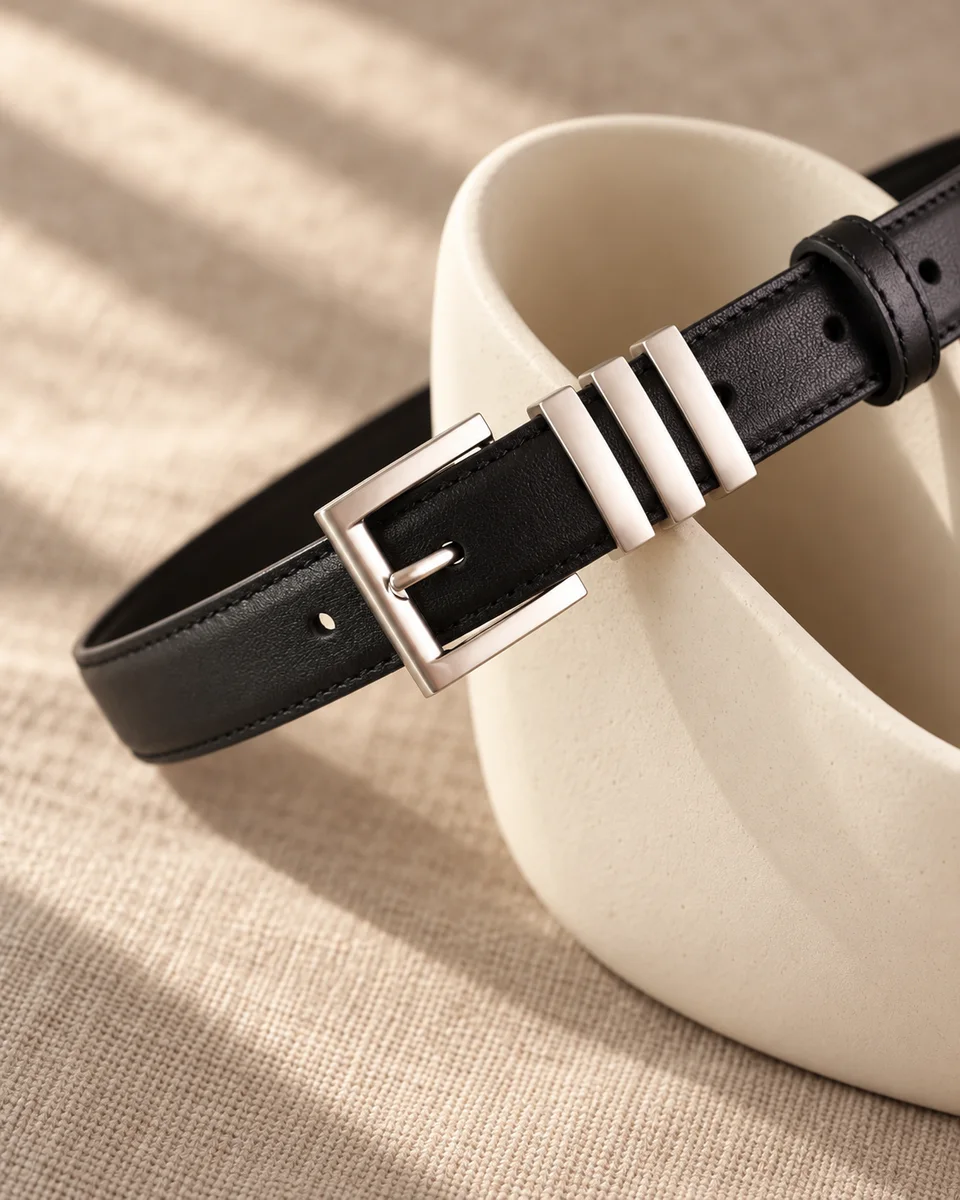
Rectangular-Buckle Leather Belt
USD 25.36 · per item · Preliminary price
Check delivery availability
MIRELICE COLLECTION
Home / Accessories / Belts
Belts
Check delivery availability
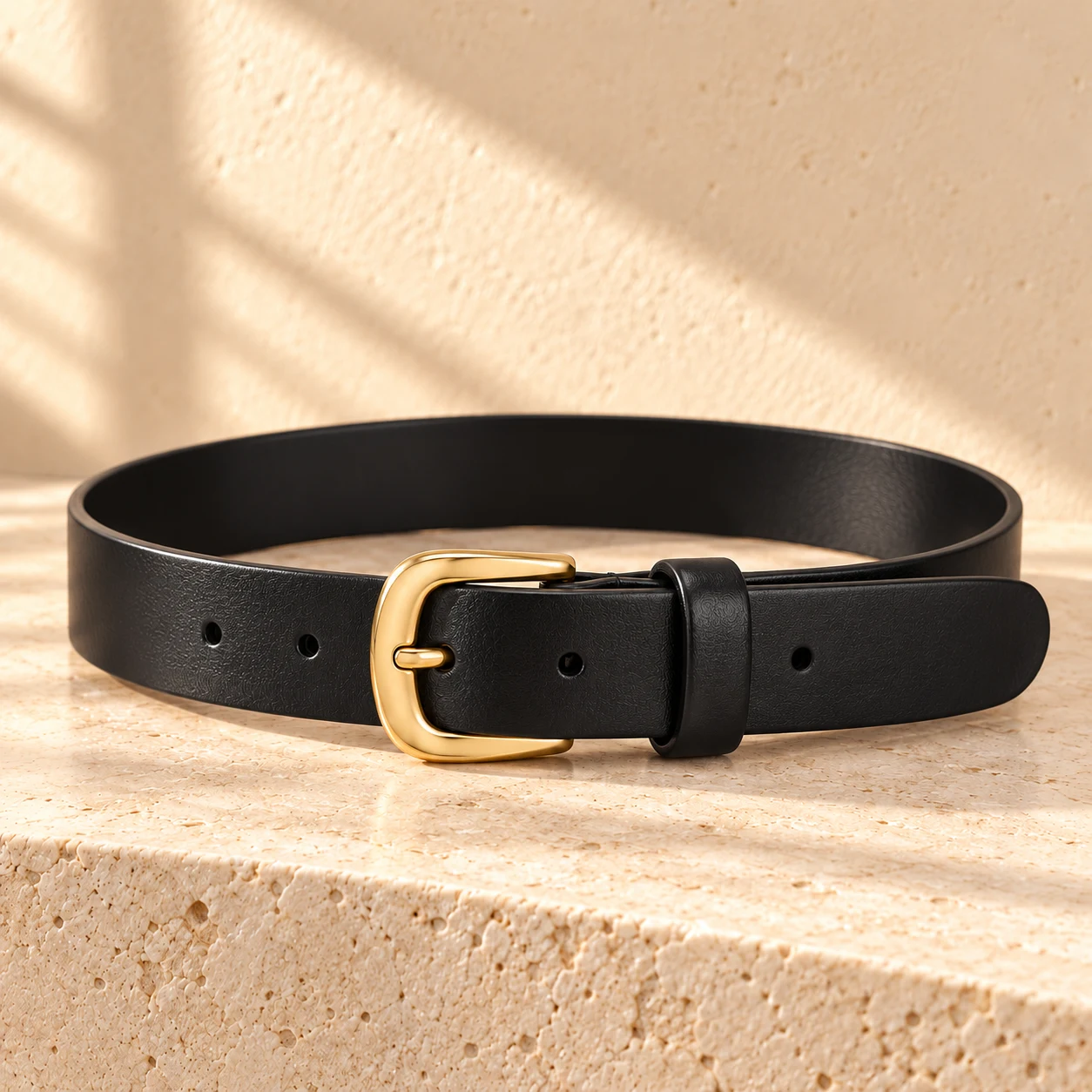
Compare width, fit, fastening and finish to choose a belt that feels considered with the clothes you already wear.
A belt changes the line of an outfit as well as holding a garment in place. The useful starting point is where you will wear it: through trouser loops, over a dress or around a jacket. From there, compare the width, the stated sizing method and the fastening. Those details make the choice more practical than judging a belt by colour alone.
Check the usable width of the belt loops on the trousers or skirt you have in mind. The strap should pass through them comfortably, with enough clearance for its thickness and finished edges. A belt worn over a dress or jacket has a different starting point because the garment does not determine the width in the same way.
Then consider the line you want to create. A narrower strap can add a small, precise accent; a broader one draws more attention to the wearing position. Look at the proportions of the outfit and the size of the buckle together. Trying the intended garment with a belt you already own can make those proportions easier to judge.
Measure around the place where you intend to wear the belt, over the relevant garment. A waist measurement and a lower trouser position can lead to different choices. Keep the tape comfortably level rather than pulling it tight, and record the unit alongside the number.
Read how the individual brand defines belt size. Check whether the stated length refers to the fastening point, a particular hole, an adjustable range or the complete strap. If you compare an existing belt, use the same measuring points as that size guide. The distance to a hole you actually use can be helpful when the methods match. Avoid choosing from trouser size alone or assuming every brand's length includes the buckle.
A pin buckle, a clasp and an adjustable fastening are handled differently. Examine the closure description, the usable adjustment range and the way the loose end is held. The buckle should work with the garment's loops and leave a comfortable amount of strap once fastened.
Read the declared material for the individual belt, including any separate lining or trim. A textured surface or a photograph does not establish the composition. Hardware described as gold-tone or silver-tone refers to its appearance, so keep that distinction when matching other accessories. If reversibility or shortening matters to you, look for an explicit statement for that model before planning to alter it.
Choose whether the belt should blend with an outfit or become its main accent. Repeating one tone from a shoe, bag or piece of hardware can bring the look together without requiring every accessory to match exactly. Consider the visible end of the strap as part of the finished silhouette.
Fasten the belt without forcing the closure or pulling against the holes. Follow the maker's care instructions for the exact material and finish. Keep it away from unnecessary moisture and direct heat, and store it without a sharp fold or pressure on the buckle. An occasional check of the edges, holes and fastening helps you notice where everyday handling needs to be gentler.